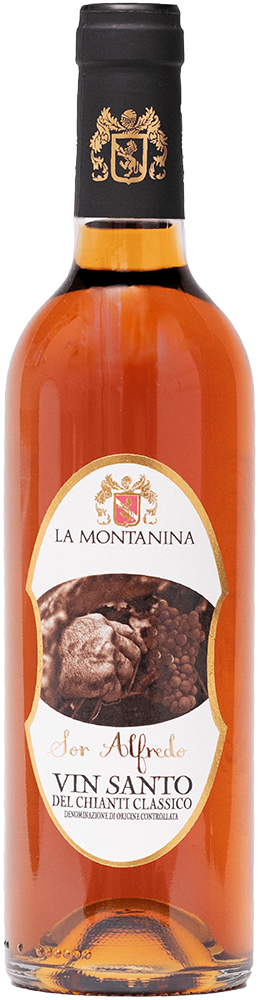

Vin Santo del Chianti Classico
Discover Vin Santo del Chianti Classico, Tuscany's 'Holy Wine', made from carefully dried grapes. A must-try, amber colored, age-worthy dessert wine, it reflects the rich, historic winemaking traditions that go back to the Middle Ages.
Vin Santo del Chianti Classico Tasting Notes
Vin Santo is an amber-hued, luscious dessert wine made primarily from dried grapes. Expect flavors of caramel, dried fruits, nuts, honey, and even savory and earthy notes. Its production involves drying grapes to concentrate their sugars, followed by a prolonged aging process in small barrels, which slowly imparts changes and develops the wine into one of the finest and most complex dessert wines around.
Vin Santo del Chianti Classico Food Pairing
This sweet wine pairs beautifully with a range of desserts, from classic cantucci (almond biscuits) to blue cheeses, offering a delightful contrast of flavors. Its rich profile also complements spiced or fruit-based desserts. The drier styles are also a great way to finish a meal or to have with aged, hard cheeses.

Vin Santo del Chianti Classico patiently aging in special small barrels called Caratelli. Photo by: Rocca di Montegrossi
How is Vin Santo del Chianti Classico Made?
Vin Santo del Chianti Classico starts with the “passito” technique. Grapes are laid out on mats or hung in winery rafters, initiating a months-long drying phase where they shrivel into raisins. This deliberate desiccation concentrates their sugars and flavors.
Once sufficiently dried, these grapes are gently pressed, extracting a rich, sweet juice. This juice is then transferred into small, traditional barrels known as caratelli, that range from 50-300 liters (13-80 gal).
The juice then goes through a slow and natural fermentation which can take months or sometimes even years. The fermentation is heavily influenced by the seasonal shifts in temperature and produces wines that are unique and very complex.
The fermentation stops naturally; some years wines may have more or less sugar, depending on how long the fermentation has run for. This means you can find different styles of Vin Santo del Chianti Classico.

Vin Santo del Chianti Classico grapes slowly drying using the “passito” technique. Photo by: Tenute di Nozzole.
Styles of Vin Santo del Chianti Classico
In Vin Santo, grape variety plays a pivotal role in defining its style. The white version primarily uses Trebbiano and Malvasia grapes while the red Occhio di Pernice employs Sangiovese grapes, lending a deeper color and unique flavor profile.
Vin Santo's styles vary widely: some are nearly dry with a pronounced alcohol content around 18–19% ABV, while others are lusciously sweet, with syrup-like consistency and lower alcohol levels around 12% ABV.
Winemaking Information:
- Minimum Aging: 24 months in caratelli and 12 months in bottle
- Minimum Alcohol: 12%
- Minimum Extract**: 23 g/L (26 g/L for Occhio di Pernice)
- Grapes must be dried naturally
- Minimum 60% Malvasia and/or Trebbiano for Vin Santo del Chianti Classico
- Minimum 80% Sangiovese for Occhio di Pernice di Vin Santo del Chianti Classico
**Extract is all the stuff in the wine that isn’t water or alcohol, like tannins and flavor compounds. For reference, a light bodied red wine would have about 18g/L of extract.