Loading...


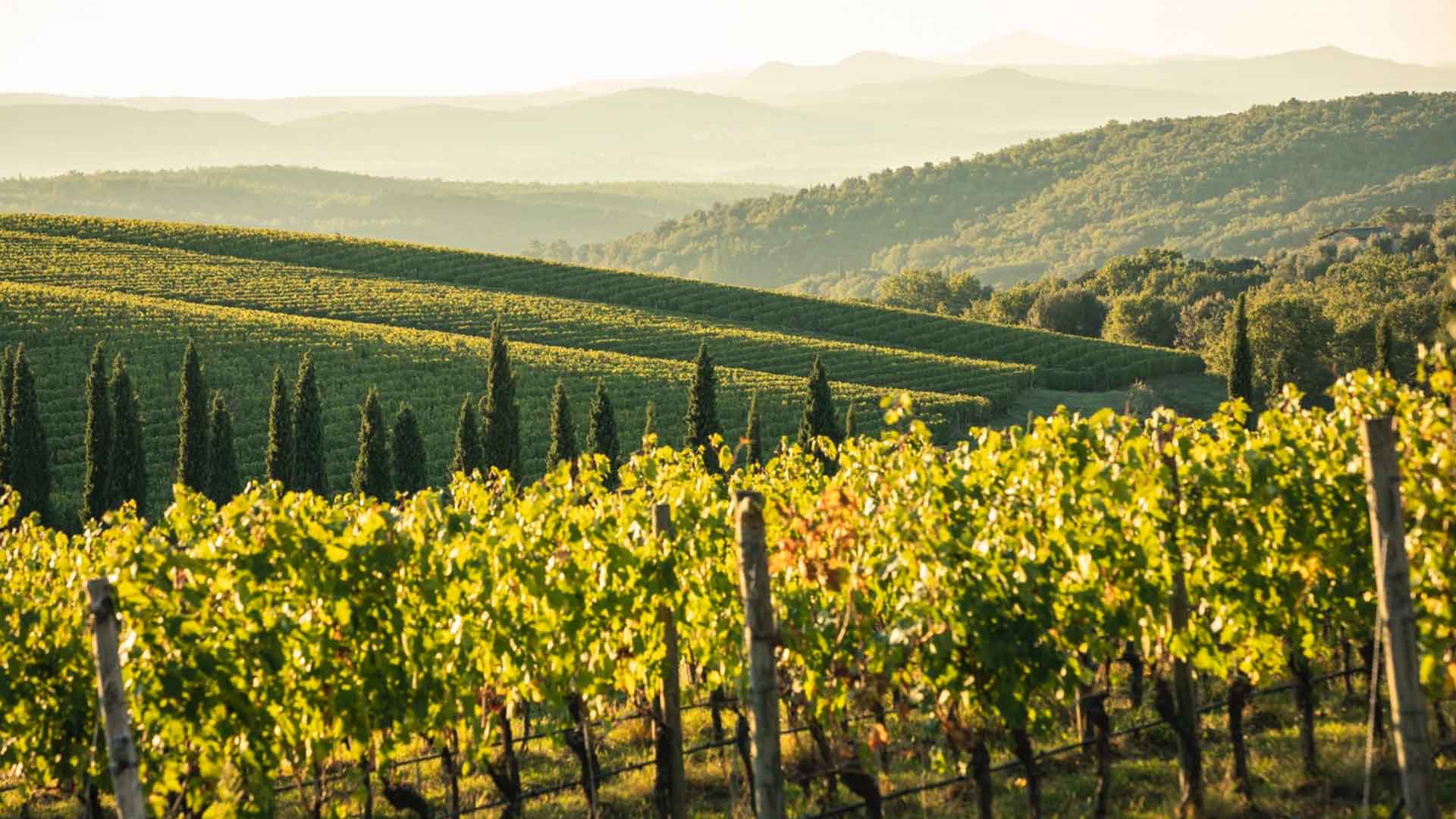

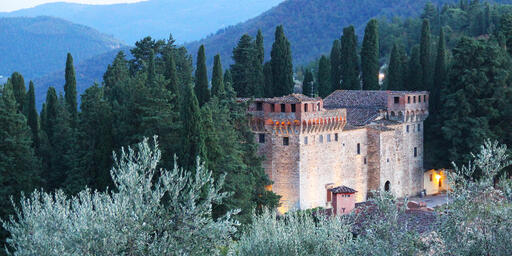
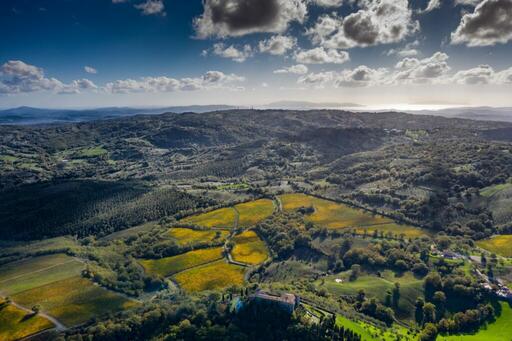
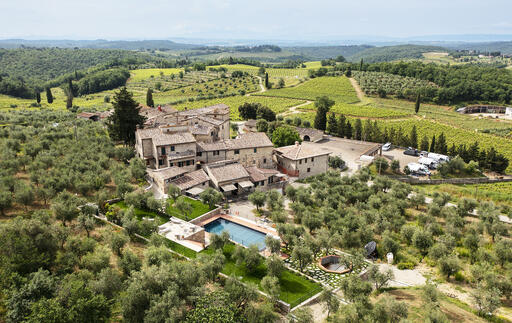
Ricasoli is the most representative wine producer in the Chianti Classico area. With its gentle hills, velvety valleys and thick woodlands of oaks and chestnuts, the 1,200 hectares of property include almost 240 hectares of vineyards and 26 of olive groves. This creates a continuous succession of colors and hues around the Brolio Castle, which is located within the town limits of Gaiole in Chianti. Since 1993, Baron Francesco Ricasoli has been guiding this central Tuscan company in innovative challenges. This has been done with the deepest respect for his renowned ancestors who have made this territory great, Bettino Ricasoli first and foremost. Francesco Ricasoli, current owner and President of the company, has generated new ideas and concepts to render the vineyards sustainable. The ongoing study of soil types and the clonal selection of the Brolio Sangiovese are among his greatest passions, and he has totally renovated the vineyards and completely mapped them. The new wines are therefore the expression of research carried out with the same scientific rigor of his illustrious ancestor but with a contemporary spirit, like a runner receiving the baton and carrying it forward with renewed energy.



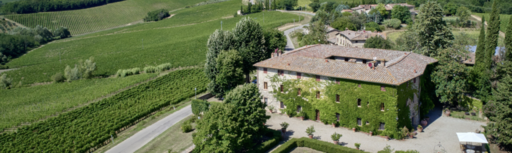
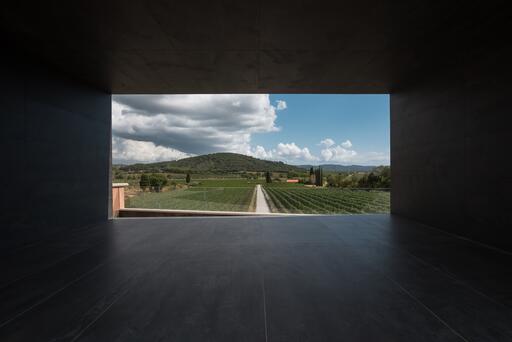
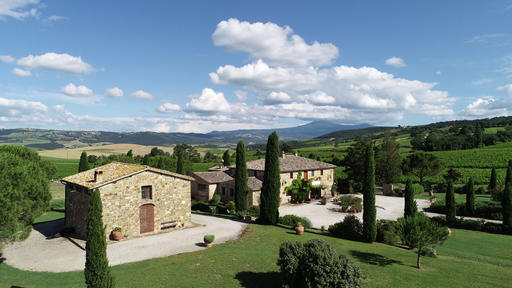
Cafaggio was once founded in Panzano by the Benedictan friars of Siena in the medieval era of 1408, cultivating grapevines and olives. The Farkas family during the 70’s completely renovated the grounds of the country home, equipping the already endowed earth with the most advanced production facilities. Cafaggio covers approximately 60 hectares, of which 30 are cultivated as specialised vineyards and about 10 as olive groves. The remaining area is woodland. Situated in an area recognised as the finest zone for producing Chianti Classico.






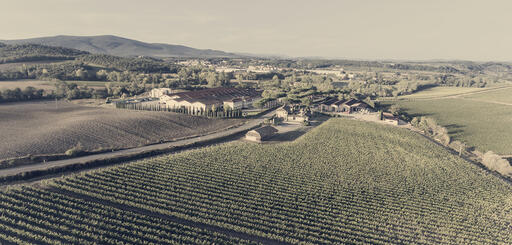
Welcome to the largest family of Chianti Classico On 21 June 1965, il Sir Gualtiero Armando Nunzi came together with an initial group of 18 winegrowers to unite under the name of Castelli del Grevepesa. Their shared intention was to bring together different people from the various areas of Florentine Chianti Classico in order to safeguard the land and maintain intact the hundreds of years of traditional Tuscan winegrowing: the long-established know-how that farmers still pass on today from one generation to the next.